Research · Methodologies · Applied Work

Research.

Original methodologies, working papers, and applied-research collaborations — across intrinsic valuation, brand equity measurement, intelligence operating models, community-graph narrative detection, and consumer-decision research with Cornell faculty.

01 / 05
Working paper · Pricing & Valuation

Intrinsic Analysis: Reshaping Purchasing Decisions — a framework for multi-iterative material composition and intrinsic valuation modeling.

Author · Lindsey Aliksanyan · Cornell University · LA445@cornell.edu
Year · V1.2 · 2025
Venue · Independent working paper — Cornell applied research
Status · Working paper, V1.2. Reference implementation targets a live pipeline: pull → value → score → bid.
§ Abstract

A quantitative methodology for detecting mispriced assets in B2C and B2B auctions. Combines iterative regression, probabilistic estimation of intrinsic value under uncertainty, and density-based cross-validation to isolate arbitrage-quality signal from noise — first applied to precious-metals auctions (gold, silver, platinum), then extended to branded consumer goods and electronics.

§ Contributions
  • Iterative regression that home-fits an intrinsic-value model by down-weighting outlier auctions until residuals go random.
  • Probabilistic intrinsic value: weight, purity, and spot-price treated as random variables → confidence intervals + P(final price < intrinsic value) per lot.
  • Density-based cross-validation — model selection judged on how predicted vs. actual distributions align, not only aggregate error.
  • Case work across gold, silver, and platinum auctions showing where the winner's curse inverts into structural undervaluation.
  • Extensions to branded consumer goods (sneakers, handbags) and electronics resale, plus an eBay / Heritage / ShopGoodwill implementation blueprint.
§ Methods
  • Iteratively reweighted least squares (IRLS-style)
  • Monte Carlo simulation for uncertainty in weight / purity
  • Density-based cross-validation
  • Auction-microstructure analysis
  • eBay FindItemsAdvanced + PlaceOffer API pipeline
ARBITRAGEfinal auction priceintrinsic value$ / lot →density
Fig. 01 · Final auction price vs modeled intrinsic value — hatched zone is arbitrage-quality signal.Working paper V1.2
3
Metal categories · Au · Ag · Pt
2
Asset extensions · Branded · Electronics
V1.2
Working paper revision
02 / 05
Methodology · Proprietary IP

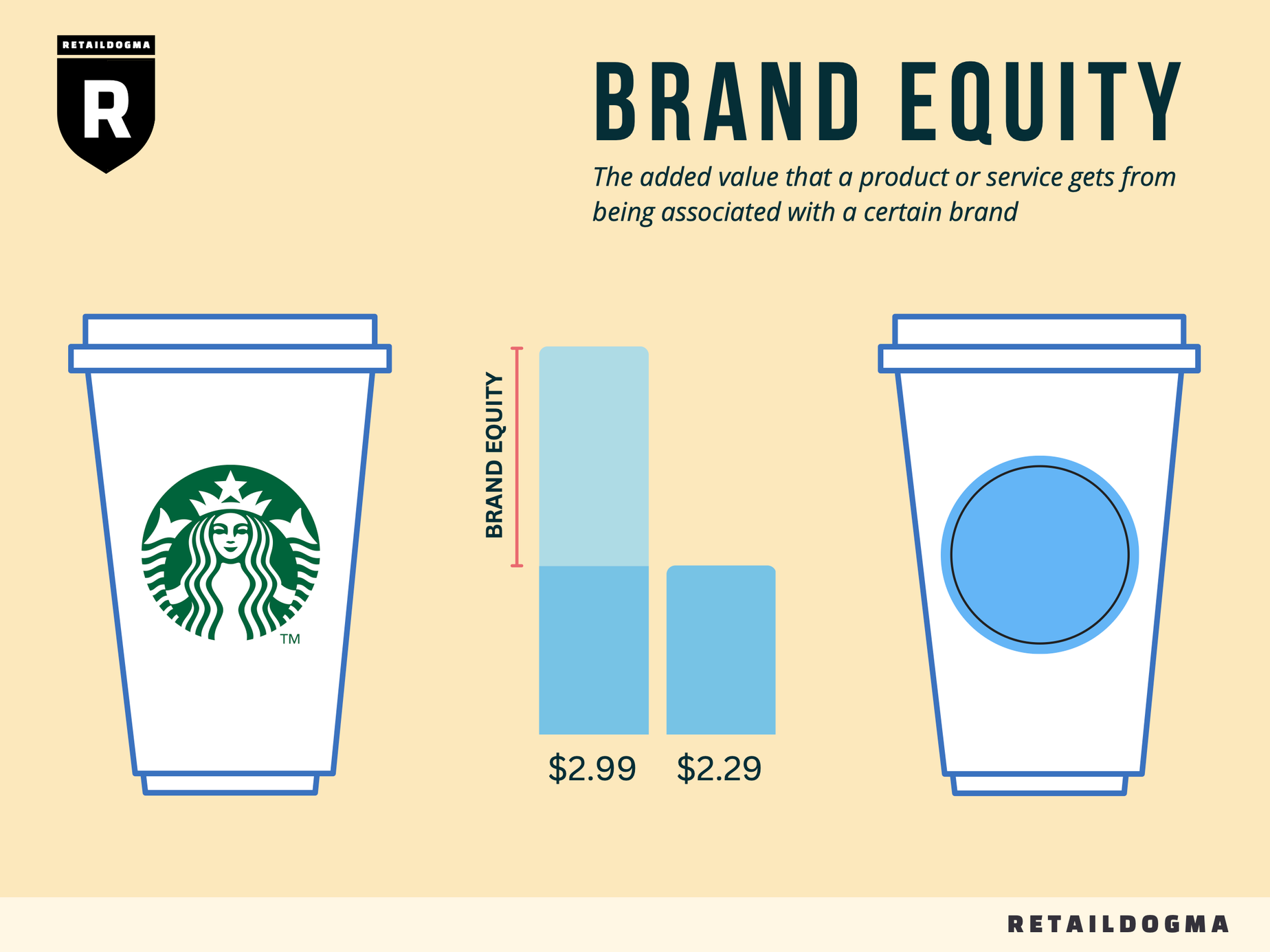
A quantitative framework for brand equity — four weighted pillars, industry-specific weightings, one comparable score.

Author · Lindsey Aliksanyan
Year · 2024 – 2025
Venue · Adopted inside News Corp / Storyful enterprise practice · taught as a graduate lecture
Status · In production inside Storyful engagements. Taught as a graduate lecture — 'Understanding & Quantifying Brand Equity.'
§ Abstract

Most brand-equity measurement is qualitative narrative wrapped around a survey. This methodology gives executives a defensible, cross-industry score that ties to Awareness, Esteem, Association, and Loyalty — and that can be recomputed as new data flows in. Industry-specific weightings mean a luxury house and a retailer aren't measured on the same instrument.

§ Contributions
  • Four Pillars — Awareness, Esteem, Association, Loyalty — with explicit measurement instruments per pillar.
  • Scoring formula: BrandEquityScore = Σ(Pillar × Weight), normalized 0–100 via min–max across the competitive set.
  • Industry-weighted models: Luxury, Consumer Electronics, Retail, Financial Services, Automotive — grounded in observed consumer-decision patterns.
  • Operationalized against real sources: Meltwater, Brandwatch, Trustpilot, Qualtrics, Shopify, custom NLP clustering.
  • Worked example — Nike 85.3 vs. Adidas 65 vs. Under Armour 45.
§ Methods
  • Share of voice · share of search
  • NPS · sentiment · trust ratings
  • Thematic / topic clustering
  • Retention & advocacy modeling
  • Min-max normalization across the competitive set
AWARENESS · 88ESTEEM · 82ASSOCIATION · 90LOYALTY · 7885.3NIKE · SCORE
Fig. 02a · Four Pillars radial — Nike worked example, industry-normalized 0–100.Nike · 85.3
LUXURY15403015CONSUMER ELECTRONICS30252025RETAIL35152030FINANCIAL SERVICES25301530AUTOMOTIVE25302520AWARENESSESTEEMASSOCIATIONLOYALTY
Fig. 02b · Industry-specific pillar weightings — a luxury house is not measured on the same instrument as a retailer.Weighting matrix
Four Pillars of Brand Equity — source deck
Source deck · Understanding & Quantifying Brand Equity — graduate lecture
03 / 05
Methodology · Intelligence operating model

The Growth Score — a repeatable operating model for enterprise intelligence engagements.

Author · Lindsey Aliksanyan
Year · 2024
Venue · Reference model for advertising safety, reputation risk, and brand-equity programs
Status · Operationalized across enterprise programs — +12% operating uplift observed.
§ Abstract

A productized methodology that turns bespoke analyst work into a repeatable enterprise operating model. Standardizes how opportunity is scoped, qualified, measured, and reported across advertising safety, reputation risk, and brand-equity engagements — so an analyst team can move from one-off decks to a system enterprise clients rely on.

§ Contributions
  • Opportunity-qualification rubric — scope, signal strength, decision-value, and defensibility scored on one instrument.
  • Python + OpenAI MVP that qualifies opportunities from ingest and visualizes them for leadership.
  • Executive-synthesis workflow that compresses analyst work into decision-ready outputs.
  • Team operating cadence for concurrent enterprise programs — used to run 5+ analysts across Google, SHEIN, Deloitte engagements.
§ Methods
  • Python · OpenAI API
  • Rubric-based opportunity scoring
  • Executive-synthesis frameworks
  • Analyst team operating cadence
DECISION VALUE →↑ SIGNAL STRENGTHENTERPRISE PROGRAMDE-SCOPEGoogle · Reputation RiskSHEIN · Brand SafetyDeloitte · Executive ReportingDanone · Narrative IntelEnterprise Pilot AEnterprise Pilot BPilot C
Fig. 03 · Opportunity-qualification matrix — decision value × signal strength. Top-right cluster becomes enterprise program.Live · 5+ analysts
04 / 05
Applied research · Narrative intelligence

Community-graph narrative detection — surfacing coalitions and opinion communities before mainstream media.

Author · Lindsey Aliksanyan · in collaboration with Dr. Jordi Morales-i-Gras
Year · 2024 – 2025
Venue · Live in Metricform; underlying research jointly developed
Collaborator · Dr. Jordi Morales-i-Gras — computational social science, network analysis.
Status · Patent application underway. Live paid enterprise delivery.
§ Abstract

Standard listening tools count mentions. This work reasons over them. A community-graph clustering approach detects emergent narrative communities forming opinion around a brand, category, or public event — with MCP-native answering and full source-chain provenance so executives can trace every claim back to its evidence.

§ Contributions
  • Community-graph clustering to detect narrative coalitions before they hit mainstream media.
  • MCP-native answering layer — plain-language questions, source-chain provenance in the response.
  • Multimodal ingestion (text · image · video) tuned by an account-specific learning loop.
  • Applied in-market with Danone, Tarte Cosmetics, and the Canadian Securities Exchange.
§ Methods
  • Graph clustering & community detection
  • MCP (Model Context Protocol) tool orchestration
  • Multimodal embeddings + retrieval
  • Account-specific learning loops
COMMUNITY α · EARLY SIGNALCOMMUNITY β · AMPLIFIERSCOMMUNITY γ · CROSSOVERbridgebridge
Fig. 04 · Community-graph clustering — coalitions form before mainstream media. Bridge nodes signal crossover.Patent pending
05 / 05
Faculty collaboration · Cornell Tech

Consumer decision-making, pricing psychology, and applied AI in market research — collaboration with Professor Manoj Thomas.

Author · Lindsey Aliksanyan · with Prof. Manoj Thomas (Cornell Tech · Johnson)
Year · 2023 – 2025
Venue · Cornell SC Johnson · EMBA applied research · guest lectures
Collaborator · Prof. Manoj Thomas — Cornell SC Johnson / Cornell Tech.
Status · Ongoing.
§ Abstract

Ongoing collaboration bridging practitioner-grade intelligence methodology with graduate behavioral-economics and pricing research. Codifies what actually works in enterprise engagements — brand equity measurement, competitive intelligence, applied AI in market research — into teachable, defensible frameworks.

§ Contributions
  • Applied-research projects tying methodology to real enterprise data.
  • Guest lectures on brand-equity measurement and applied AI in market research.
  • Frameworks translated from practitioner engagements into graduate curriculum.
  • Ongoing dialogue on pricing psychology and consumer decision-making that feeds directly into the intrinsic-valuation working paper.
§ Methods
  • Behavioral pricing research
  • Applied AI in market research
  • Case-based methodology development
ANCHORREFERENCECEILINGinflection · willingness-to-pay tipsperceived valueprice relative to anchor →
Fig. 05 · Anchor-relative price perception — the inflection where willingness-to-pay tips. Behavioral pricing with Prof. Manoj Thomas.Cornell · SC Johnson
§ Continue reading

Methodology meets engagement.

See where these frameworks land in-market — from Metricform's community graph to the brand-equity work operationalized inside Storyful.